
key components
- Weapons Manufacturing: This includes the production of all types of weaponry, ranging from small arms such as pistols and rifles to large-scale systems like missiles and artillery. These weapons are developed to meet the needs of modern warfare, ensuring precision, power, and adaptability in different combat scenarios.
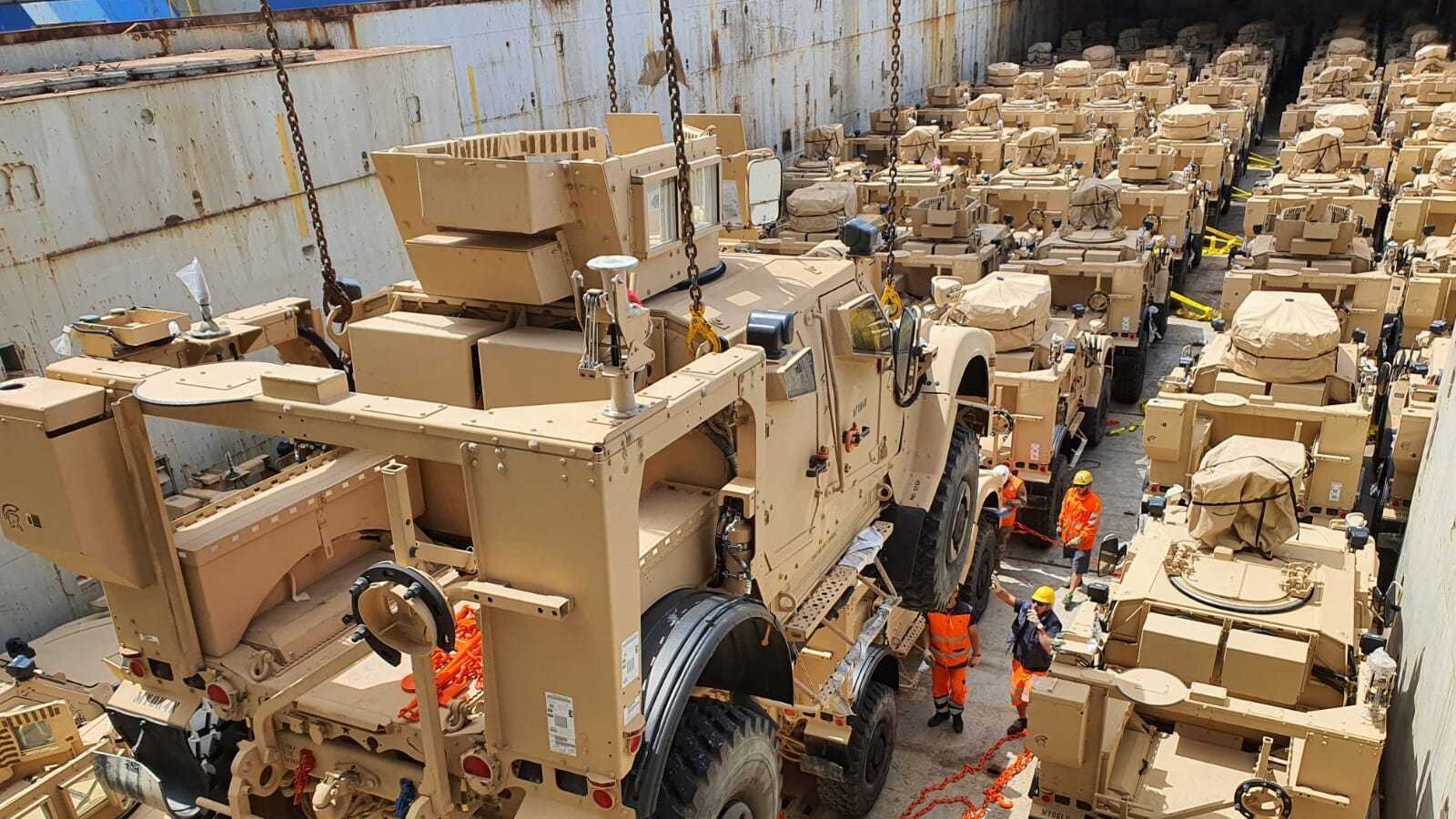
- Land Systems and Armored Vehicles: This sector develops ground-based military equipment, including tanks, armored personnel carriers (APCs), self-propelled artillery, and other combat vehicles. These systems provide mobility, protection, and firepower for ground forces.
- Cybersecurity and Electronic Warfare: With the increasing reliance on technology, military industries now prioritize the development of cybersecurity tools and electronic warfare systems. These systems protect against cyberattacks, disrupt enemy communications, and secure sensitive military networks.
-
Missile defense is a critical area that focuses on detecting, intercepting, and neutralizing incoming threats. These systems often include advanced radar and satellite technologies for early warning and precise targeting.
- Defense Technology and Innovation: Military industries invest heavily in research and development (R&D) to maintain a technological edge. Innovations include artificial intelligence (AI), robotics, hypersonic weapons, and advanced materials for stealth and durability.
- Maintenance and Logistics: Beyond production, military industries also focus on maintaining and upgrading existing equipment. This ensures that armed forces remain operationally ready and that aging systems are replaced or modernized.